
They Called It EPCOT They called it EPCOT — the Experimental Prototype Community of Tomorrow. It was one of Disney’s greatest ideas. In some ways, one of their greatest failures. In others, one of their biggest successes. But if there’s one way to describe EPCOT, it’s this: it is one of the most complex and misunderstood pieces of Disney history.
They Called It EPCOT
They called it EPCOT — the Experimental Prototype Community of Tomorrow. It was one of Disney’s greatest ideas. In some ways, one of their greatest failures. In others, one of their biggest successes. But if there’s one way to describe EPCOT, it’s this: it is one of the most complex and misunderstood pieces of Disney history.
EPCOT was never meant to be a theme park. It was meant to be a living, working city – one that, if it had succeeded, could have fundamentally changed how people lived, worked, and moved through the world. The story of how that idea evolved into the EPCOT we know today is rarely fully documented from start to finish. So let’s dive into it!
Advertisement
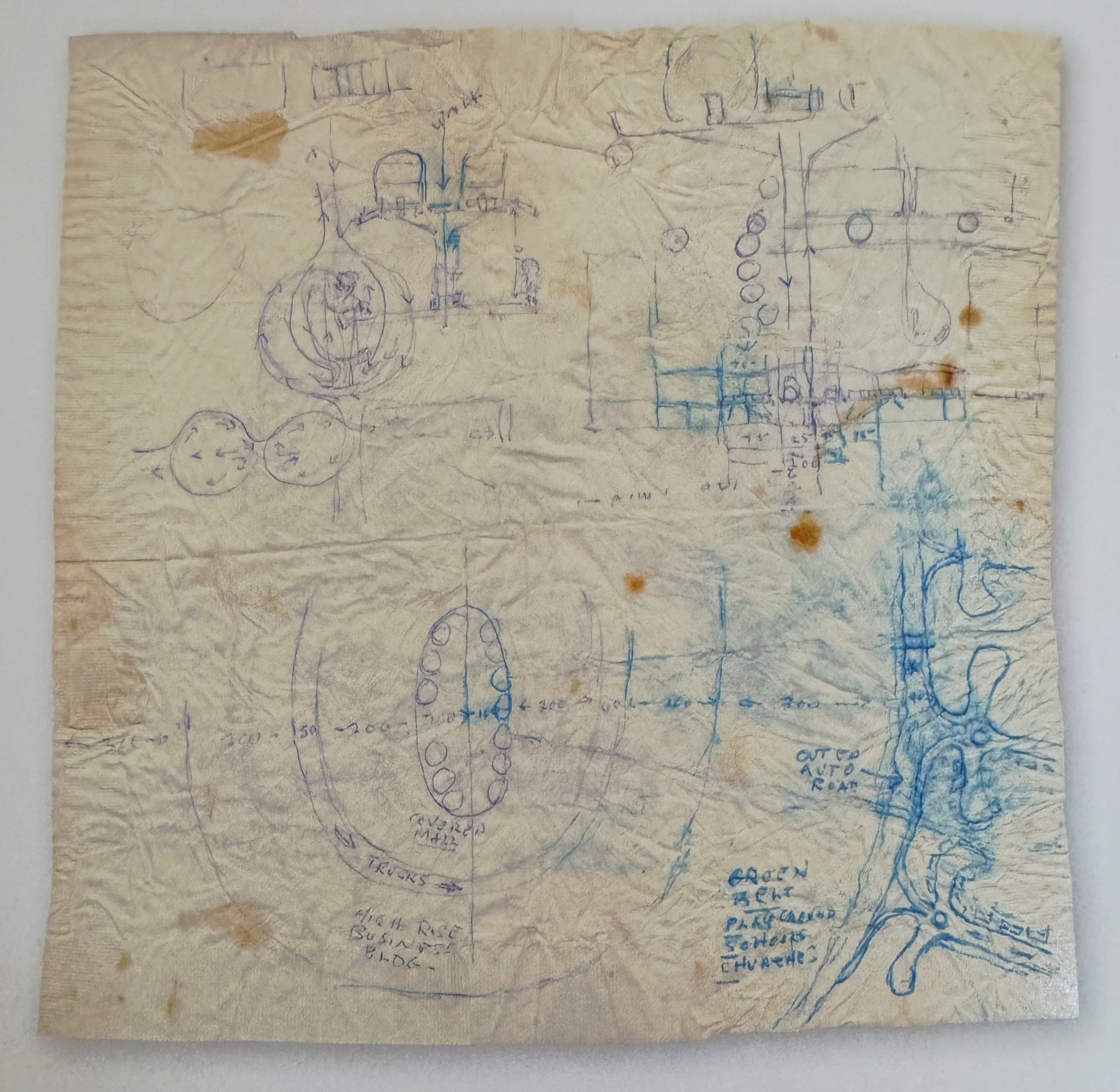
Early “Back of Napkin” sketch of EPCOT via Walt Disney World Family Museum
Walt Disney’s Dream Begins
The idea for EPCOT didn’t fully come together until the 1960s, but Walt Disney had been building toward it for years, even if he didn’t realize it at the time. When Disneyland opened in 1955, Tomorrowland was one of its five original lands, and it mattered deeply to Walt. Tomorrow represented progress, innovation, and optimism – values that defined how he viewed the future.
Tomorrowland, however, quickly became a disappointment. It opened unfinished, relied heavily on corporate sponsorships, and failed to reflect the cohesive, forward-looking world Walt envisioned. Still, he never gave up on it. Over the next decade, Walt pushed Imagineers to experiment with new ideas and technologies, leading to attractions like the Monsanto House of the Future, the Submarine Voyage, the Matterhorn, and early transportation concepts like the monorail and the PeopleMover.
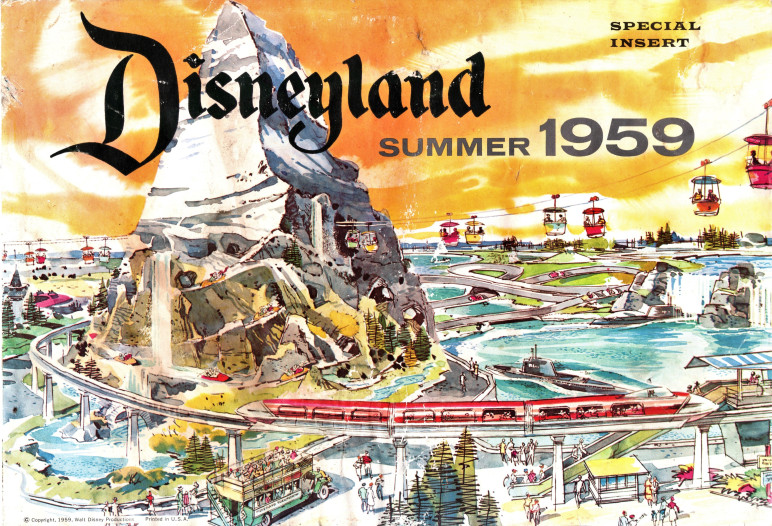
Concept Art for 1959 Tomorrowland at Disneyland via Disney
Walt’s work on Tomorrowland, combined with his involvement in the 1964 New York World’s Fair, began to shape a much larger idea. Instead of just showing people the future, what if they could live in it?
The Florida Project and the City of EPCOT
In 1965, Disney quietly purchased over 27,000 acres of land in Central Florida for what would become the Florida Project. Planned for that land was far more than a theme park. It would include resorts, an industrial park, an airport, and, at the center of it all, a city of the future. That city was EPCOT.
Although Walt passed away before the project could be formally announced, his vision was captured in a filmed presentation that revealed EPCOT as an experimental prototype community designed to house around 20,000 residents. It would serve as a testing ground for urban planning, new technologies, and innovative systems, constantly evolving and never truly complete.
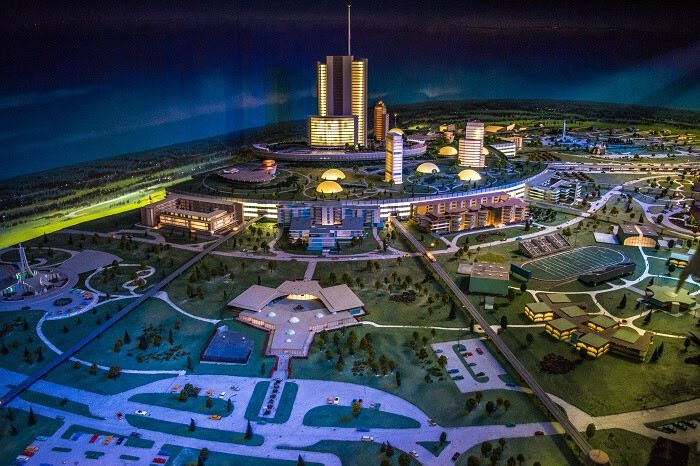
EPCOT Model via Walt Disney’s New Urbanist City
Transportation: The Core of the Entire Idea
Transportation was the most important element of EPCOT, and it’s where Walt’s thinking was the most radical. The city was designed using a radial plan, with a dense urban core at the center and residential neighborhoods spreading outward like spokes on a wheel.
The primary mode of transportation within EPCOT would be the WEDway PeopleMover, designed not as a ride, but as a practical, everyday transit system. Monorails would connect EPCOT to the rest of Walt Disney World, while automobiles and delivery trucks would operate almost entirely underground.
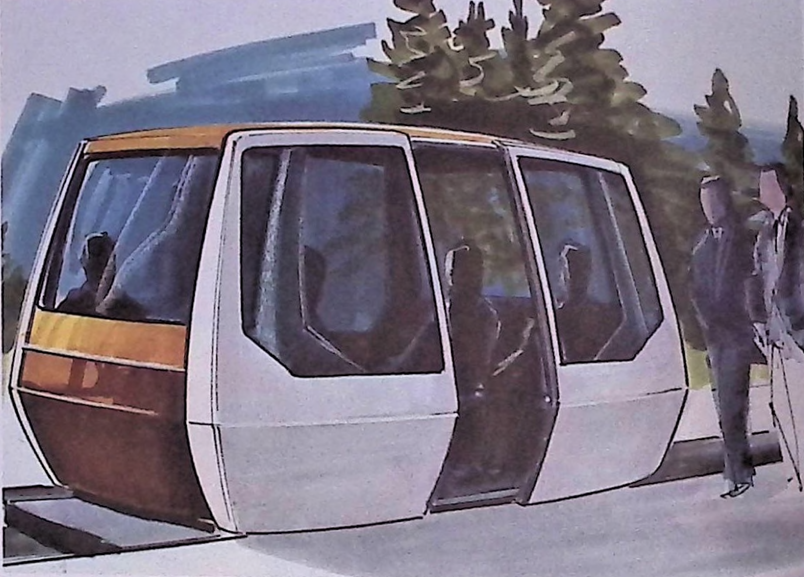
Concept art for Disney WEDway People Mover via Disney
Walt wanted pedestrians to be king. Streets would be safe, traffic would never stop at intersections, and even accommodations for visually impaired residents were considered. Even by today’s standards, these ideas were decades ahead of their time.
Life Inside the City
At the heart of EPCOT would be a massive urban core, featuring a hotel and convention center, shopping districts inspired by cities around the world, entertainment venues, nightlife, and corporate office space. Some concepts even envisioned this entire area enclosed in a climate-controlled environment.
Residential areas would be divided into high-density apartments near the core and low-density neighborhoods along the outer edge of the city. However, EPCOT would operate under strict rules. Residents would rent rather than own property, there would be no retirees, and everyone would be employed.
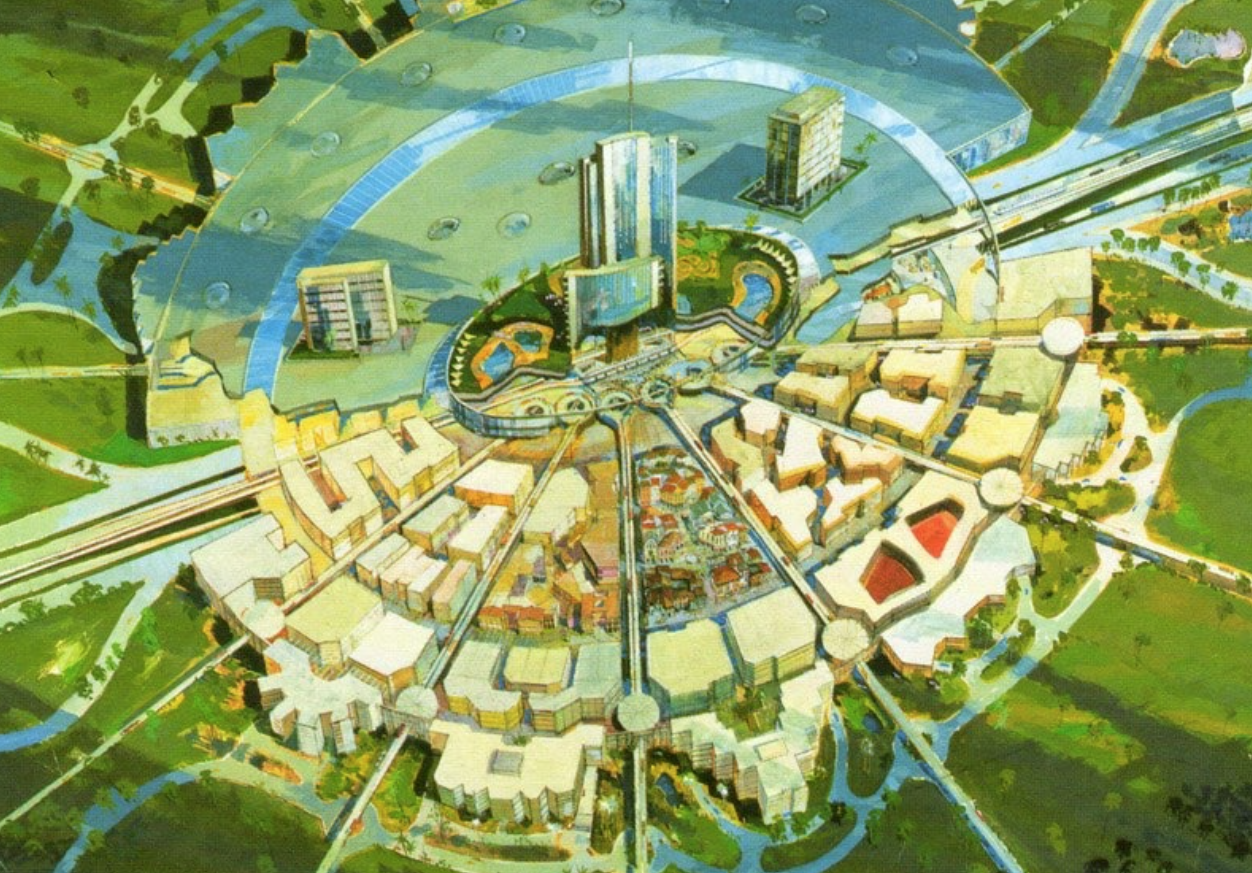
EPCOT Concept Art of downtown and climate-controlled dome via Disney
What Changed After Walt’s Death
When Walt Disney passed away in December 1966, the future of EPCOT became uncertain. His brother Roy focused on completing Walt Disney World, but leadership began commissioning studies to determine whether EPCOT could realistically be built.
One major report outlined three possible paths: creating a conventional new town, developing a massive recreation-focused destination, or attempting to build a prototype city inspired by Walt’s original vision.
Roy Disney passed away in 1971 before a final decision could be made, leaving the future of EPCOT in the hands of the remaining Disney leadership.
EPCOT Study, 1972, via DisneyDocs.net
The EPCOT Experiment: Lake Buena Vista
Disney’s first real attempt to test EPCOT concepts came through the creation of Lake Buena Vista. Developed by the Buena Vista Land Company, this community explored residential planning and recreation but lacked the experimental innovation that defined EPCOT.
It was a practical step forward, but it made one thing clear: Disney did not want to be in the business of running a full residential city.
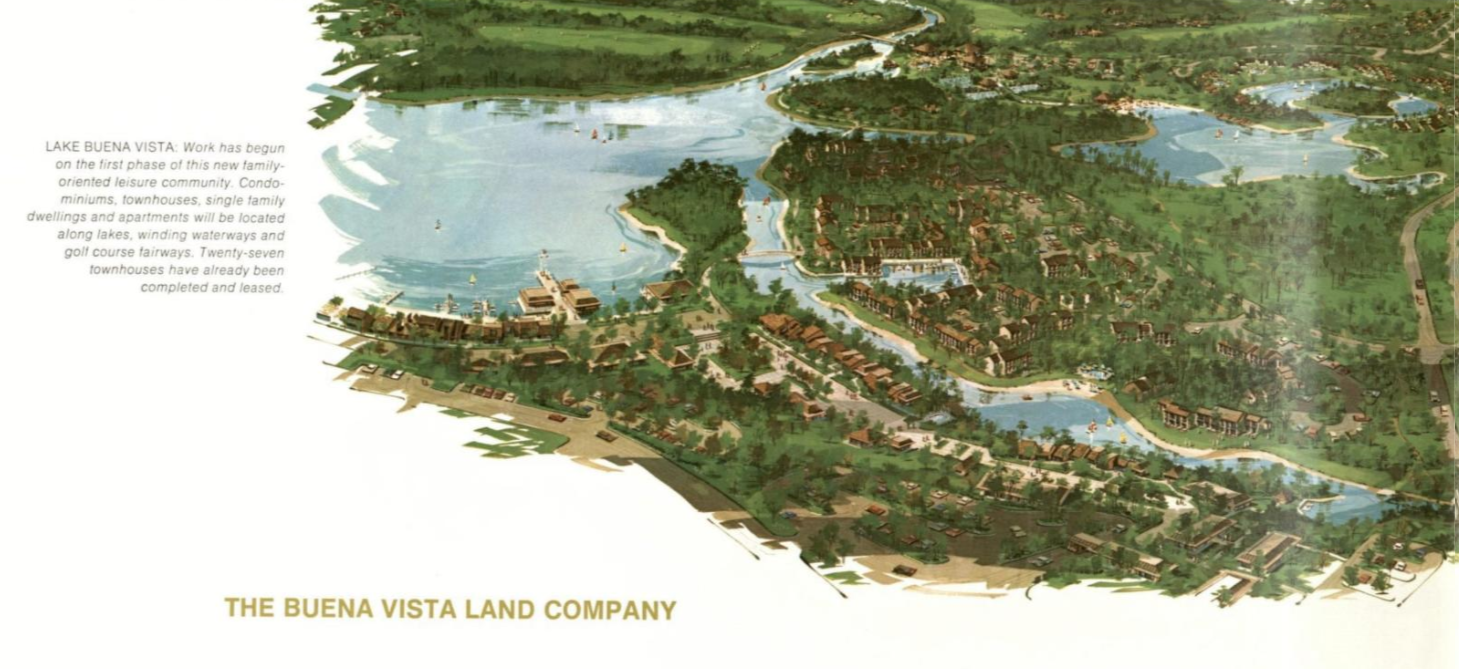
Lake Buena Vista Concept Art via Disney
From City to Concept: EPCOT Satellites
Instead of abandoning EPCOT entirely, Disney reframed it. The focus shifted from building a city to showcasing innovation. EPCOT became a collection of “satellites” – initiatives centered on science, technology, energy, communications, education, and international cooperation.
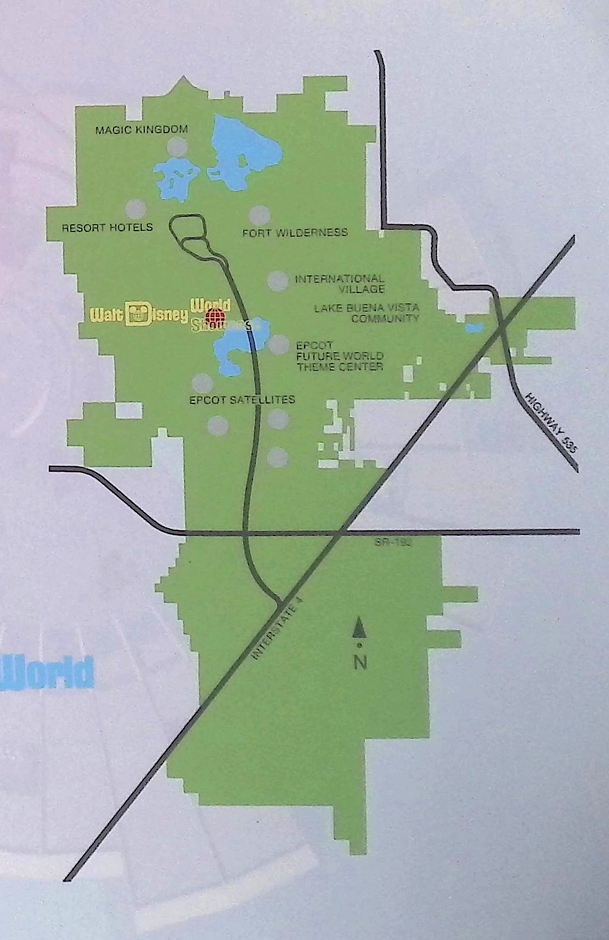
Concept Art for EPCOT Satellites via DisneyDocs.net
For guests to see those satellites themselves, the Future World Theme Center would be created. This would have pavilions themed around science and technology, community, communications and the arts, and a communicore grounding the concept.
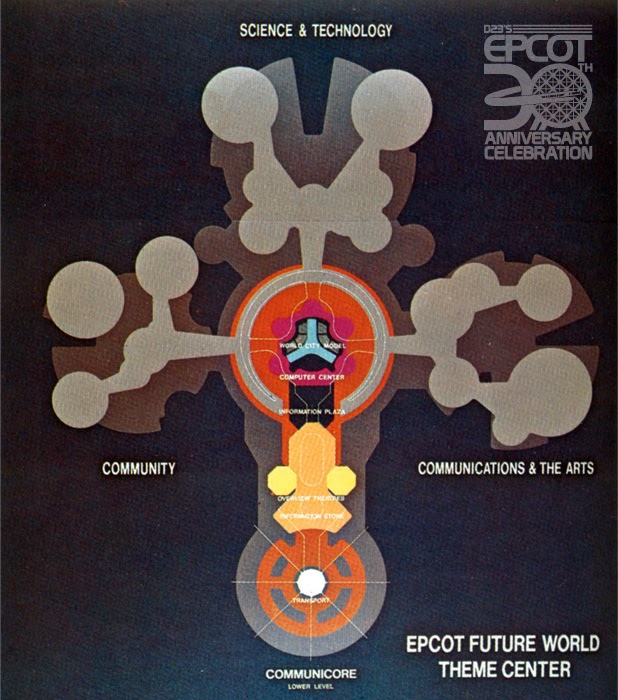
Future World Theme Center Concept Art via Disney
Another satellite that was developing rapidly was the idea for the World Showcase. This built off of the idea Walt had for an ‘international village’ in his EPCOT shopping center. It would be located just south of the Transportation and Ticket Center with space for 30 ‘country’ pavilions.
Advertisement
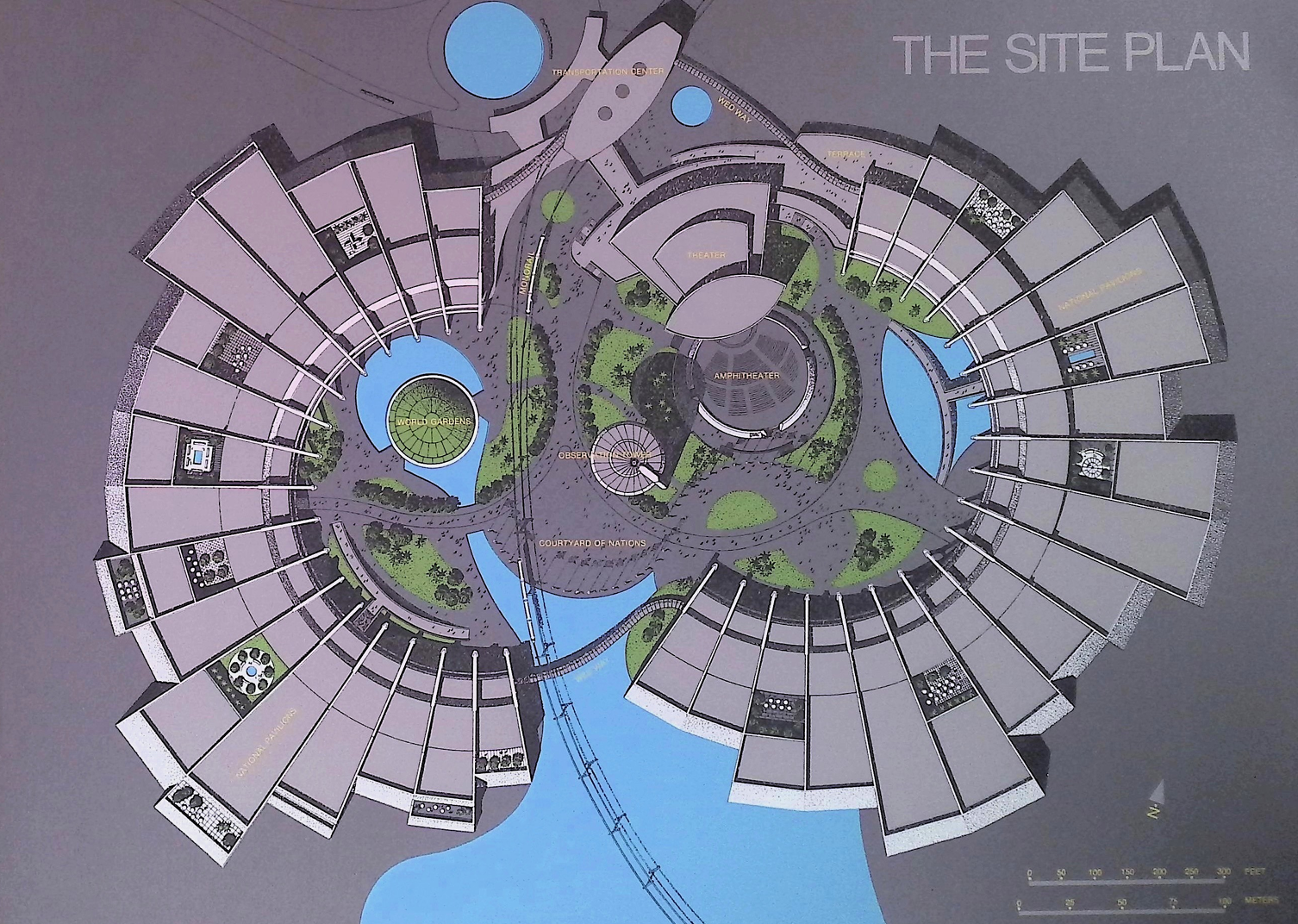
Early concept for Disney’s “World Showcase” via DisneyDocs.net
At this point, EPCOT was no longer a city, but it wasn’t a theme park yet either.
The Birth of EPCOT Center
That changed in the mid-1970s, when Imagineers like Marty Sklar, John Hench, and John DeCuir combined the Future World Theme Center and World Showcase into a single destination: EPCOT Center.
Future World would focus on innovation and progress. World Showcase would celebrate culture and global cooperation. Together, they would bring Walt’s ideas to life in a form guests could experience.
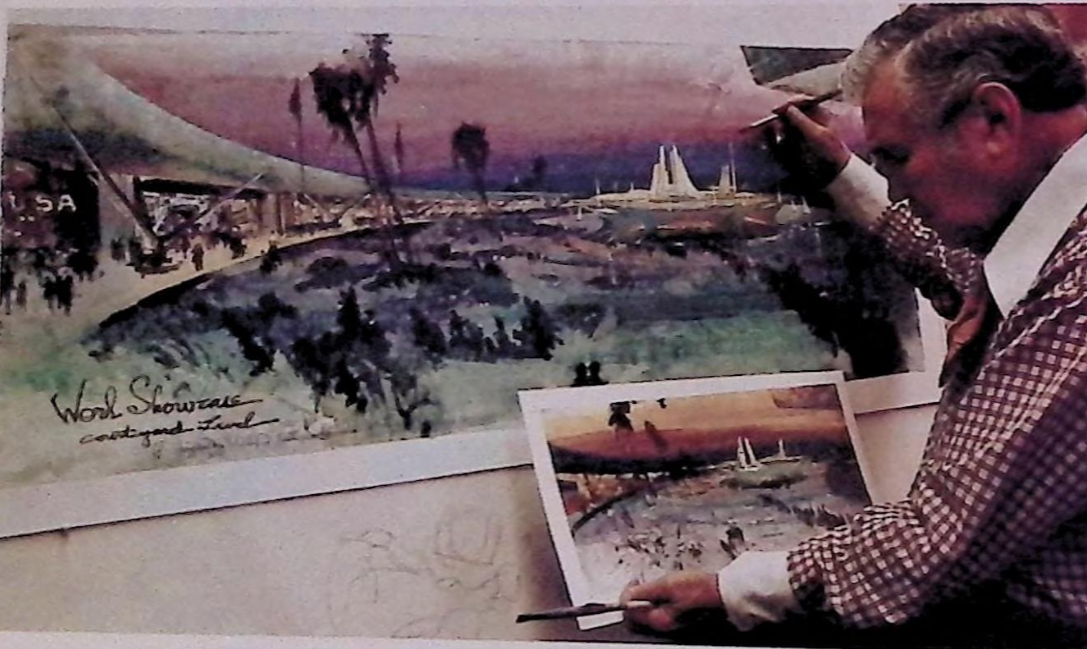
Herbert Reyman Concept Art for EPCOT Combined World Showcase and Future World model via Disney
Ground broke on October 1, 1979. EPCOT opened on October 1, 1982, at a cost exceeding one billion dollars. It wasn’t the city Walt dreamed of, but it carried his philosophy forward.
Was EPCOT a Failure?
EPCOT never became the Experimental Prototype Community of Tomorrow. But it became something uniquely Disney: a place where millions of people could engage with ideas about the future, technology, culture, and progress.
Why were entire attractions cut? Why didn’t certain countries ever join World Showcase? What happened to concepts like the German Rhine River ride or the balloon attraction in The Land?
We’re just getting started.
Thanks for being here — and welcome to the next chapter of EPCOT.
If you want a full deep dive into EPCOT, check out our long-form YouTube video here:
Advertisement
More From The Mouselets
Jul. 31, 2026
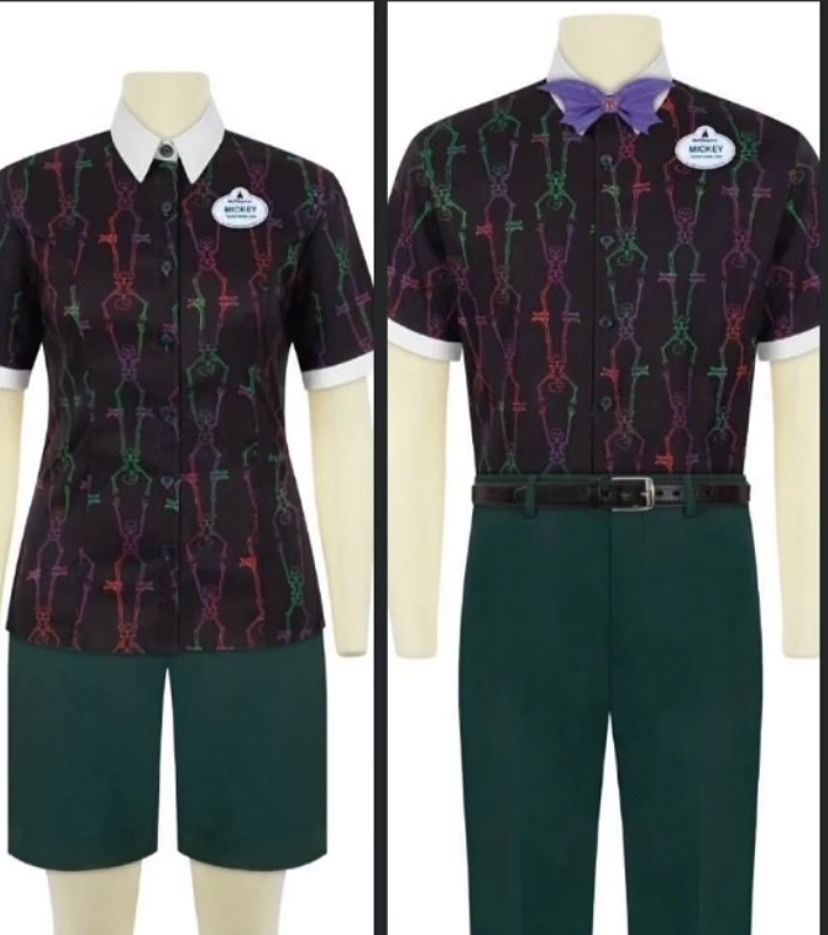
Disney Unveils New Cast Member Costumes for Mickey’s Not-So-Scary Halloween Party – and Fans Have Thoughts!
Mar. 31, 2026
This Viral Ice Cream Sandwich at Disney’s Animal Kingdom Is Breaking the Internet
Dec. 23, 2025
EPCOT: Walt Disney’s Greatest Dream, Biggest Failure, and Lasting Legacy
Sep. 11, 2025
How 9/11 Forever Changed the Disney Parks

Jul. 22, 2025